My mother-in-law has a rule for plantains: when it looks like it belongs in the trash, it's ready. Marisol says this every time she catches one of us reaching for a yellow one, first in Spanish and then again in English, slowly, for me.
Maduros, sweet ripe plantains, show up next to almost everything at the Ruiz table: black beans and rice, roast pork, eggs in the morning. At home Marisol fries them in a pan. At camp, frying means a pan of hot oil on a picnic table with Nico nearby, so we worked out a way to do them in the coals instead. Last Saturday we made them in the backyard fire pit, with the patio thermometer still at 86 at sunset and the kids eating them before the plate reached the table.
Picking them, or really, waiting for them
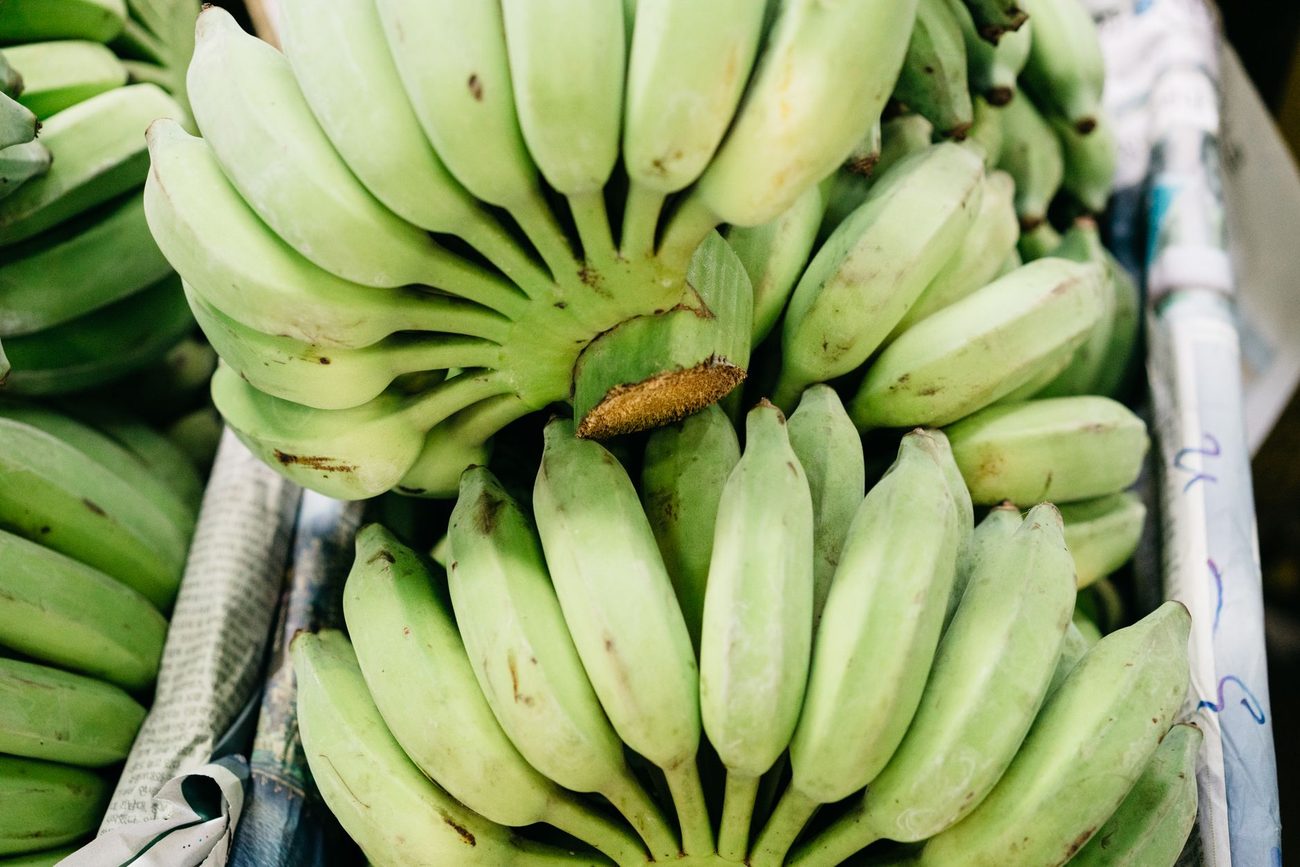
We buy plantains at Publix, usually four at a time, about $3 for all four. The skin tells you what they're for:
- Green: starchy, for tostones. Not this.
- Yellow with some black spots: getting there. Still firm, a little sweet.
- Mostly black and soft when you press: maduros. This is what you want.
In a Miami kitchen in September, a yellow plantain goes black in about five days. In January it takes closer to a week and a half. For a trip, I buy them yellow a week ahead, let them ripen on the counter and pack them on top of everything in the dry bin so nothing squashes them.
Two ways on the coals
The fire has to be past the flames and down to a bed of coals, same as for skillet pizza. Flames burn the outside long before the middle softens.
In the skin. Cut off both ends, run a knife down one side through the skin and set the whole plantain right on the coals. Turn it with tongs every five minutes. After 15 to 20 minutes the skin is black, blistered and splitting, and the inside is soft enough to cut with a spoon. Peel it onto a plate and add a pinch of salt. This is Rafael's way, and he says the skin keeps the flavor in. He may be right.
In foil. Peel the plantain, slice it on the diagonal about half an inch thick and lay the slices on heavy foil with a small pat of butter. Fold it into a sealed packet and set it at the edge of the coals for 12 to 15 minutes, flipping once. Open it away from your face, because the steam comes out all at once. The edges go dark and sticky where the sugar caramelizes against the foil, and the kids fight over those pieces. They call them "the candy part."
What we got wrong
The first time we tried this, at Juniper Springs last Thanksgiving, I made two mistakes at once. I used plantains that were still mostly yellow because I hadn't planned ahead, and I set the foil packets on a lively fire instead of coals. The outsides scorched black against the foil while the insides stayed hard and starchy, more like a burnt potato than anything sweet. Dana ate one piece to be supportive and then quietly went back to her rice.
The other mistake I still make: regular foil, one layer. On coals it tears when you flip it, the butter runs out and flares up, and you lose half the packet to the fire. Heavy foil, or two layers of the thin kind, and flip it with a spatula under the whole packet instead of tongs on one corner.
How the family eats them
Nico wants cinnamon on his. Maya eats hers plain and slowly, the way she eats everything she really likes. Dana puts hers next to black beans and rice, which at camp means a container of Rafael's beans brought frozen from home. I'll eat them any way at all, including cold the next morning straight out of the foil, standing at the cooler, which is not a serving suggestion.
Saturday's batch got the real test. Rafael and Marisol came over for dinner, and Marisol took one bite of a foil plantain from the edge of the coals, chewed for a long time and said, "Next time, a little more black." Then she ate three more. From Marisol, that's a blue ribbon.