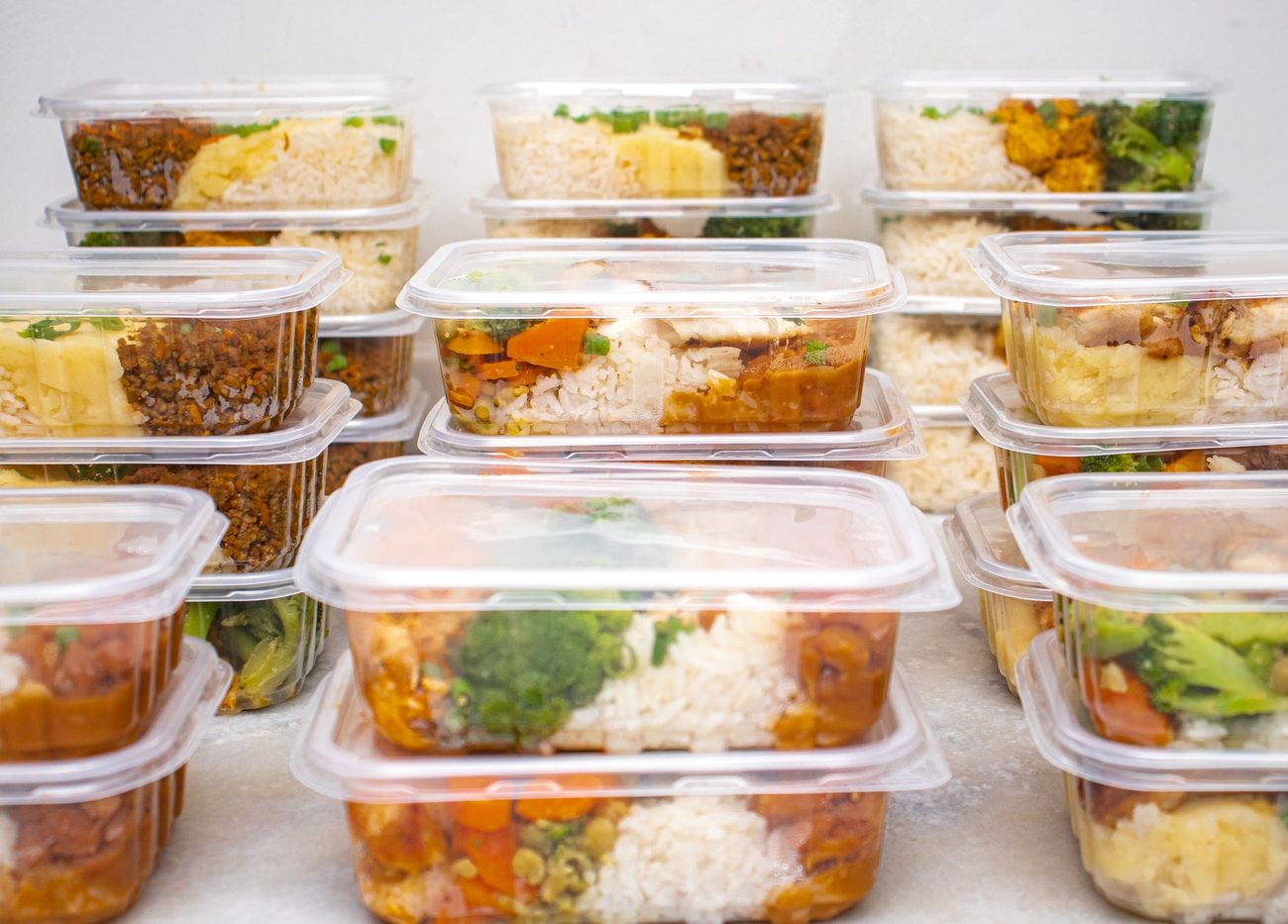
Six dinners, twelve gallon freezer bags and one Sunday afternoon with every burner on our stove going. That's what it took to fill the bottom of the RTIC for our summer loop, which leaves Saturday. Right now the bags are lying flat in the freezer, stacked like library books, and Pickles has started sitting in front of the freezer door like he's guarding something.
Why we froze dinners this year
Last summer in the Smokies, dinner was the hardest hour of the day. We'd get back from a hike at 5 with tired kids, start cooking at 6 and eat at 7:30, and more than once we gave up and drove into town. Restaurants ended up being $410 of that $2,940 trip. This year the first six camp nights are four at Vogel State Park and two at Tallulah Gorge, and I want every one of those dinners to be heat and eat.
The second reason is ice. A frozen bag of chili is a block of ice that eventually turns into dinner. Six of them on the bottom of the cooler keep everything above them cold for the first few days. Our ice math last summer came to about $5 a day with the RTIC on hot trips, and with dinners frozen underneath, I'm hoping the first four days come in under that.
The six dinners
- Chili. The same one-skillet chili from our first cool night last November, made extra thick, toppings packed separately. This is night one at Vogel, because after the longest towing day of the trip nobody will want to do more than heat a pot.
- Mojo chicken. Thighs frozen raw in Dana's mojo marinade: sour orange, garlic, cumin and oregano. By night two they're thawed and go straight onto the griddle.
- Picadillo. Ground beef with onion, pepper, tomato, olives and raisins, the way Marisol makes it. Rice gets cooked fresh at camp.
- Rafael's black beans, a quart from the batch he made for Mother's Day. He doesn't let anyone leave his house without some.
- Ropa vieja. Shredded beef from the slow cooker, made on a school night. First dinner at Tallulah Gorge.
- Meatballs in tomato sauce for pasta night. Nico's request, and the very last bag.
Groceries for all six came to about $62 at Publix and Costco. Full honesty: that came out of our regular June grocery money, so it won't appear in the trip log. I'll mention it when I add up the trip, so camp food doesn't look cheaper than it was.
Freezing, labeling and packing
Everything cools completely, then goes into a gallon bag with as much air pressed out as we can manage. Each bag lies flat on a sheet pan until it's frozen solid, and then they stack. Flat bags thaw faster than tubs, take less room and cover the bottom of the RTIC like floor tiles.
Every bag is double-bagged, a lesson from May. At Jonathan Dickinson we brought one single-bagged picadillo as a test run, and somewhere between Kendall and the campsite it picked up a pinhole. By Friday night cooler water had seeped in, and dinner was picadillo soup. Edible. But soup.
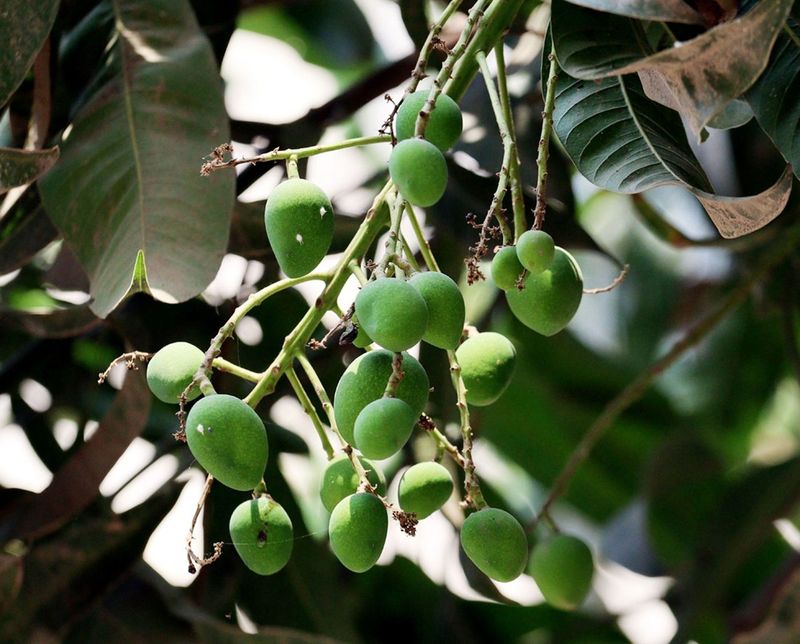
Dana labeled each bag with masking tape and a marker: V1 through V4 for Vogel, T1 and T2 for Tallulah. Then we pack backward. T2 goes on the very bottom and V1 on top, so I never have to dig. Bags of frozen mango from the backyard tree go over the dinners, then a bag of ice, then everything else. A cheap fridge thermometer rides in the cooler, and Maya has appointed herself the person who reads it.
The camper's little fridge gets milk, eggs and condiments on nights we have power. We don't trust it with meat in summer heat yet, so the RTIC stays the main food cooler and the old Coleman 70-quart carries drinks, with a little sand still rattling in its drain.
What we'd skip
- Frozen rice. We tried a bag. It came back mushy. Rice takes 20 minutes on the camp stove, so we cook it fresh.
- Potatoes. Marisol puts them in her picadillo, but frozen and thawed they went grainy, so ours goes without.
- Anything thin. Soups and brothy stews in a bag are a leak waiting to happen. Everything we froze is thick enough to hold its shape.
- Hard plastic tubs. They waste space, don't stack well and take a day longer to thaw.
Grayton Beach, at the end of the loop, will be grocery-store dinners and griddle burgers. By then the bags will be long gone and the cooler will need real ice again.
Saturday at 6 a.m., the bags go straight from our freezer into a cooler that spent the night chilling with a sacrificial bag of ice. Nico asked if he could be the one who picks which dinner we eat each night. I showed him the labels. He looked at me like I'd cancelled his birthday.