Saturday night it got down to 62 degrees in Kendall. I know because I went out to the patio at 10 p.m. specifically to check, in shorts, and came back in for a sweatshirt. A week earlier, when the first front came through, I'd promised the kids that the first night in the low 60s meant chili on the backyard fire pit. This year it got cold enough, early enough, for me to keep a promise on time.
The setup
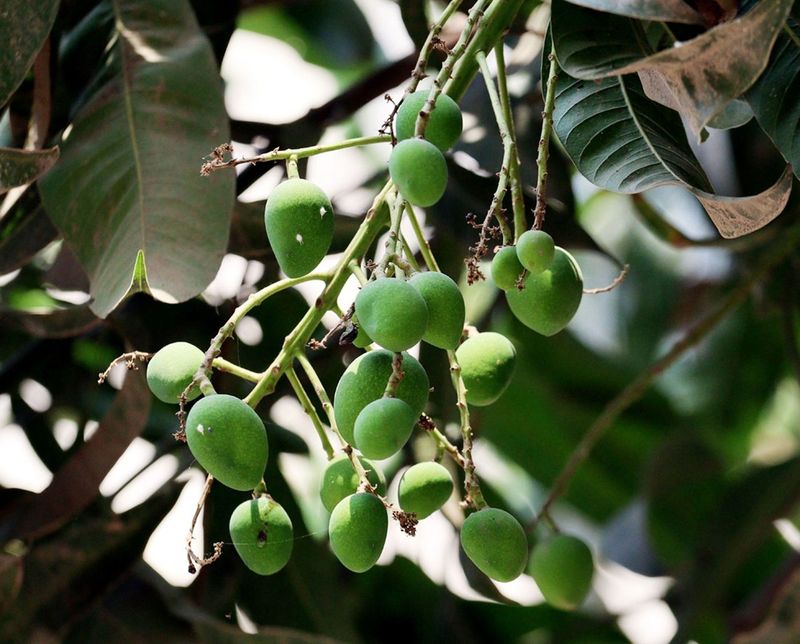
Our backyard fire pit is small, a steel bowl with a grate that sits about eight inches over the coals. For skillet cooking, coals matter more than flames. Nico, our kindling manager, filled a bucket with sticks from under the mango tree at 5. I lit the fire at 5:30 with a few splits of oak from Home Depot on top, and by about 6:10 it had burned down to a bed of coals that glowed orange every time the breeze hit them. Those 40 minutes are the part I used to skip, and they're the reason my early chili burned.
The pot is our 12-inch Lodge cast-iron skillet with its lid. It holds this whole recipe with about an inch to spare, which is the only reason it's a one-skillet chili.
The chili
This feeds the four of us with enough left over for two lunches. Everything came to about $19 at Publix.
- 1 tablespoon oil, 1 large onion and 1 green bell pepper, chopped, and 4 cloves of garlic
- 1.5 pounds ground beef
- 3 tablespoons chili powder, 2 teaspoons ground cumin, 1 teaspoon dried oregano, 1 teaspoon salt
- 2 tablespoons tomato paste
- One 28-ounce can of crushed tomatoes
- One can each of black beans and kidney beans, drained
- Half a cup of water
- Heat the skillet on the grate for five minutes, then add the oil, onion and pepper and cook until soft, about eight minutes. Garlic goes in for the last minute.
- Push the vegetables to the edge and brown the beef in the middle, breaking it up with a wooden spatula. Spoon off some fat if there's a lot.
- Stir in the spices and tomato paste for a minute, until the whole yard smells like chili.
- Add the tomatoes, beans and water. Put the lid on, slightly cracked, slide the skillet toward the cooler edge of the grate and simmer 25 to 30 minutes, stirring every five.
Dana's addition, which I argued against and lost: one of Rafael's frozen sofrito cubes goes in with the onions. It makes the chili taste a little like Westchester, in the best way.
Toppings and the kids
We set the toppings out on the patio table: shredded cheddar, sour cream, sliced green onions, lime wedges, a store-bought avocado (our young avocado tree is still more tree than avocado), hot sauce for the grown-ups and a bag of corn chips.
Nico made what he calls a "Frito pie," which is mostly corn chips with chili as a garnish. Maya built hers in layers in a clear plastic cup so you could see each one and named it a "chili parfait." Dana ate two bowls in a fleece jacket and said, "This is the weather I married you in." We got married in November, so she's right, and I'm taking it as a compliment.
Cleanup, and my mistake
Tomatoes and cast iron don't love each other. A 30-minute simmer is no big deal, but leftovers sitting in the skillet overnight are another story. The first time I made chili at camp, I left the last of it in the skillet under the lid until morning. The leftovers tasted like a handful of pennies, and the bottom of the skillet had a dull gray patch that took two rounds of re-seasoning at home to fix. Now the routine is:
- Leftovers go into containers as soon as everyone has had seconds.
- Scrape the skillet with the wooden spatula while it's warm, then hot water and a brush.
- Set it back over the coals until the last drops sizzle off.
- Wipe in a thin coat of oil with a paper towel while it's still warm.
We let the fire burn down while the skillet cooled on the grate. Nico fell asleep on the patio lounger under a beach towel at 8:40. The leftover chili is in the freezer in a flat bag, labeled "MYAKKA" in Maya's handwriting, because that's our first dinner there on Saturday, and nobody wants to cook after a three-and-a-half-hour drive.